Every day of the week carries a name so familiar we rarely stop to think about where it came from. Yet each one tells a story that reaches back thousands of years, winding through ancient Babylon, Rome, and the frost-touched lands of the Norse. The seven-day cycle we follow today is not a modern invention. It is a gift from civilizations that looked to the sky and saw gods moving among the stars. Understanding how Sunday through Saturday got their names opens a window into how our ancestors made sense of time, power, and the cosmos itself.
The names we use in English are a fascinating blend of Roman planetary worship and Germanic mythology. When you say “Thursday,” you are invoking Thor, the thunder god. When you wake up on Monday, you are greeting the Moon. These names are not arbitrary labels. They are remnants of belief systems that shaped entire cultures, and they still shape how we organize our lives today.
The Seven-Day Week and Its Ancient Roots
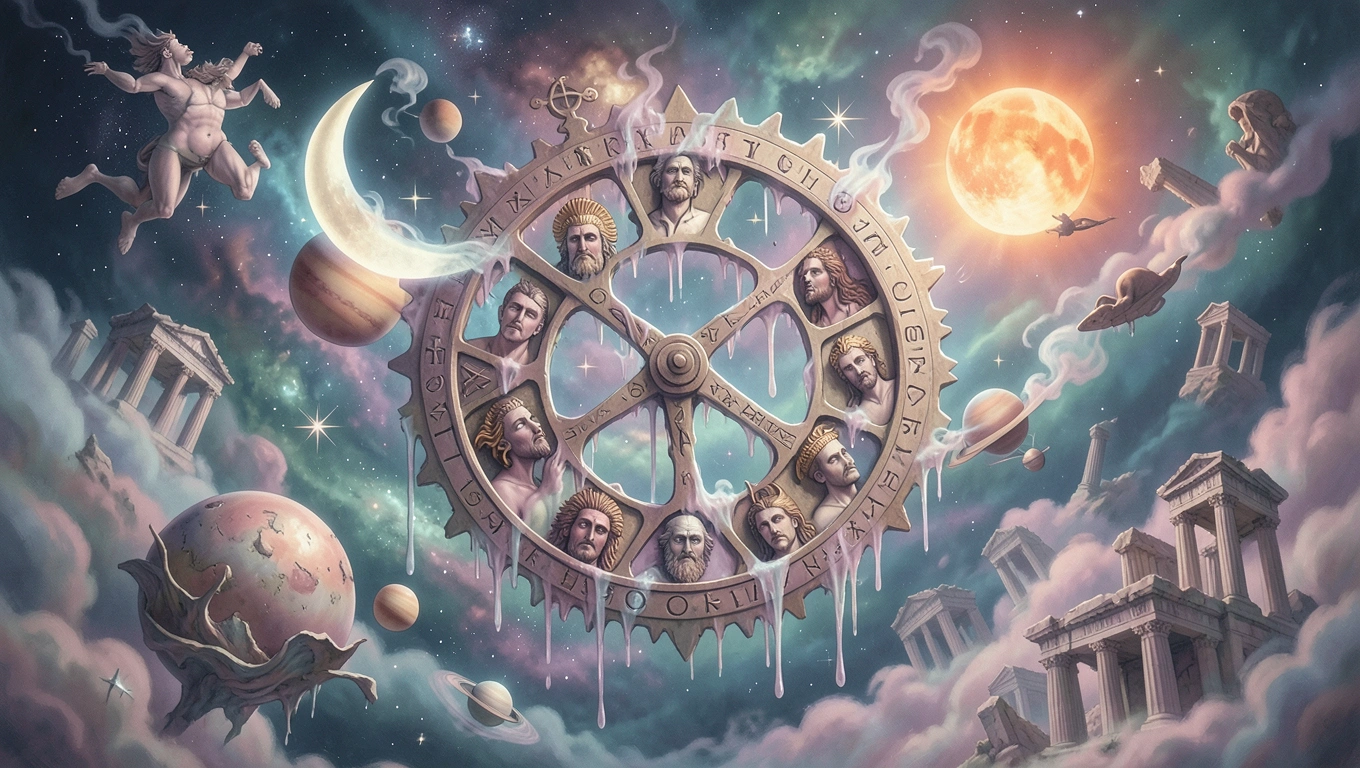
The concept of a seven-day week originated with the Babylonians, who organized time around the seven celestial bodies visible to the naked eye: the Sun, the Moon, Mars, Mercury, Jupiter, Venus, and Saturn. Each of these heavenly objects was thought to govern a particular day, and this pattern became embedded in their astrology and religious life. The Romans adopted this system, naming each day after the gods associated with these celestial bodies.
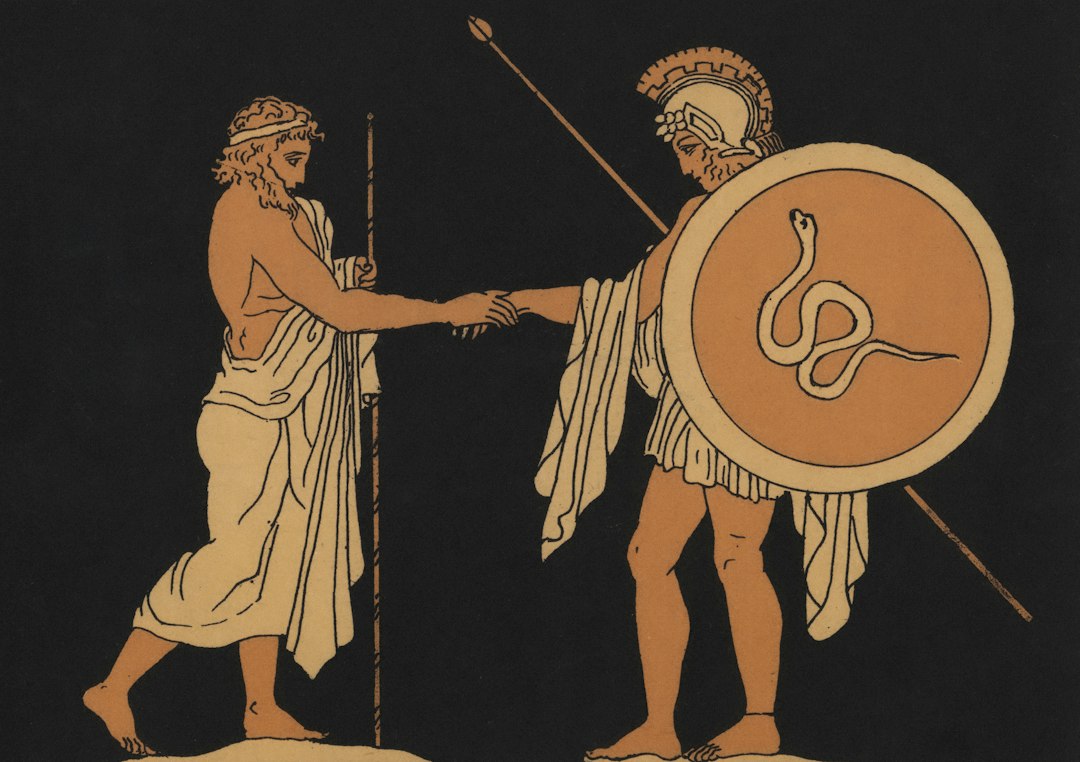
This framework spread across the Roman Empire and eventually reached the Germanic tribes of northern Europe. As these groups encountered the Roman calendar, they did something remarkable. Instead of simply borrowing the Latin names, they substituted their own deities wherever they found a Roman god with a similar role. The result is the hybrid system we use in English today, where some days honor Roman gods and others celebrate Norse and Germanic figures.
The choice to organize time into seven-day cycles was not inevitable. Other cultures used different systems, from the eight-day Roman market week to the ten-day weeks of revolutionary France. But the seven-day structure, tied to both celestial observation and religious tradition, proved remarkably durable. It spread with Christianity and Islam, both of which embraced the seven-day rhythm, and it became a near-universal standard.
Sunday Through Wednesday: Celestial Bodies and Chief Gods
Sunday takes its name directly from the Sun, the most powerful and visible object in the sky. The Romans called this day Dies Solis, and Germanic peoples translated it into their own languages, creating words that mean “Sun’s day.” This is why Sunday feels like a day of brightness and rest in many cultures. It was sacred to the light itself.
Monday follows naturally as the Moon’s day. The Romans called it Dies Lunae, and the English “Monday” comes from the Old English “Monandæg,” meaning Moon’s day. The Moon, with its phases and mysterious glow, governed the second day of the week. Even now, Monday carries a sense of transition, moving from the brightness of Sunday into the working week.
Tuesday honors Tyr, the Norse god of war and justice, who corresponds to the Roman god Mars. The Romans called this day Dies Martis, but the Germanic peoples replaced Mars with their own war deity. Tyr was known for his courage and sacrifice. In one famous myth, he lost his hand to the wolf Fenrir while helping the other gods bind the beast. Tuesday thus carries the spirit of bravery and conflict.
Wednesday belongs to Odin, known in Old English as Woden. The Romans named this day after Mercury, the messenger god associated with communication, travel, and wisdom. Odin, as the chief god of the Norse pantheon, shared these qualities. He was a wanderer, a seeker of knowledge, and a master of runes and magic. Wednesday, then, is the day of wisdom and mystery, named for the one-eyed god who sacrificed much to gain understanding.
The present changes the past. Looking back, you do not find what you left behind.
– Ursula K. Le Guin
Thursday Through Saturday: Thunder, Love, and Agriculture
Thursday is Thor’s day, named after the Norse god of thunder and strength. The Romans dedicated this day to Jupiter, their king of the gods and lord of the sky. Thor, with his hammer Mjölnir and his dominion over storms, was the Germanic equivalent. He was a protector of humanity, a god who fought giants and defended the cosmos from chaos. Thursday thus carries the energy of power and protection, a day associated with strength and divine might.
Friday honors Frigg or Freyja, Norse goddesses associated with love, beauty, fertility, and marriage. The Romans named this day after Venus, the goddess of love and desire. There is some scholarly debate about whether Friday originally referred to Frigg, Odin’s wife and a goddess of foresight, or Freyja, a goddess of love and war who rode a chariot pulled by cats. Both goddesses share attributes with Venus, and both likely contributed to the day’s name. Friday has long been associated with romance, pleasure, and the end of the working week, reflecting its connection to goddesses of joy and desire.
Saturday stands apart from the other days because it retains its Roman origin almost unchanged. Named after Saturn, the Roman god of agriculture, time, and wealth, Saturday did not receive a Germanic replacement. The Anglo-Saxons and Norse peoples kept the Latin name, creating “Sæternesdæg” in Old English. Some Scandinavian languages took a different approach, deriving their word for Saturday from “bathing day,” reflecting a practical cultural tradition rather than mythology. Saturn’s association with time makes Saturday a fitting day of rest, a pause before the week begins again.
Why These Names Still Matter
You might wonder why we still use names rooted in gods most people no longer worship. The answer lies in the stubborn persistence of language and tradition. These names have survived invasions, religious conversions, and the rise of science because they are woven into the fabric of how we communicate. Changing them would require coordinating across billions of people and countless institutions, a task far more difficult than simply keeping what works.
But there is something deeper at play. These names connect us to our ancestors in a way that few other words do. When you say “Wednesday,” you are echoing people who lived over a thousand years ago, who looked at the same Moon and stars and tried to make sense of their place in the universe. The days of the week are a bridge between the ancient and the modern, a reminder that we are part of a long human story.
Different languages reveal different choices made by cultures encountering the Roman calendar. Romance languages like Spanish and French kept the Roman names almost intact, with “martes” for Mars and “vendredi” for Venus. Germanic languages, including English, made the substitutions we have explored. This variation shows how cultures adapted shared systems to fit their own worldviews, creating a patchwork of names that tells the story of cultural exchange and transformation.
Last Thoughts
The names of the days of the week are more than convenient labels. They are artifacts of human curiosity, belief, and the desire to order chaos into meaning. Each day carries the memory of a god or celestial body that once commanded reverence and awe. When we move through the week, we are walking a path laid down by Babylonian astronomers, Roman emperors, and Norse storytellers, even if we no longer think about them.
There is something humbling about this. Our modern world, with its satellites and atomic clocks, still uses a system born from looking at the sky with wonder. The same seven-day rhythm that structured life in ancient Rome structures ours today. It reminds us that for all our technological progress, we are still tied to the rhythms our ancestors discovered, still following the celestial order they identified.
The next time you glance at a calendar or plan your week, take a moment to remember the gods and planets behind each name. You are not just marking time. You are participating in a tradition that spans millennia, a quiet act of continuity that links you to everyone who has ever counted the days and hoped for meaning in their passage.
Your Questions Answered
Why do we have a seven-day week instead of another number?
The seven-day week comes from Babylonian astrology, which identified seven celestial bodies visible to the naked eye: the Sun, Moon, Mars, Mercury, Jupiter, Venus, and Saturn. Each was thought to govern a day. This system was adopted by the Romans and later spread through the influence of Christianity and Islam, both of which embraced the seven-day cycle. The number seven also held religious and symbolic significance in many ancient cultures, which helped cement its place in timekeeping.
Are the names of the days the same in all languages?
No, different languages reflect different cultural histories. Romance languages like Spanish and French kept the Roman names, so Tuesday is “martes” after Mars and Friday is “vendredi” after Venus. Germanic languages, including English, replaced Roman gods with their own deities. Some languages use numbered days or religious terms instead. For example, Portuguese uses “segunda-feira” for Monday, meaning “second day,” reflecting a Christian reordering where Sunday is the first day.
Why is Saturday the only day that keeps its Roman name in English?
Saturday retains the name of the Roman god Saturn because the Germanic peoples did not have a direct equivalent deity to replace him. Saturn was associated with agriculture and time, roles that did not map neatly onto the Norse pantheon. The Anglo-Saxons adapted the Latin name into “Sæternesdæg,” which became “Saturday.” Interestingly, some Scandinavian cultures chose a completely different approach, naming the day after bathing traditions instead of mythology.
Did the order of the days ever change throughout history?
The order of the days in the seven-day week has remained remarkably consistent since the Babylonians and Romans established it. What has changed is which day is considered the start of the week. In many Western cultures, Sunday is traditionally the first day, while international standards and many modern calendars treat Monday as the beginning. Religious traditions also vary, with Saturday being the Sabbath in Judaism and Sunday holding special significance in Christianity.
What happened to the Roman gods when Christianity spread?
When Christianity became the dominant religion in Europe, the names of the days remained largely unchanged despite their pagan origins. The Church focused on converting the meanings and practices around these days rather than renaming them entirely. Sunday became the Lord’s Day, but it kept its name derived from the Sun. This pragmatic approach allowed for continuity in daily life while shifting the spiritual significance. The persistence of these names shows how deeply embedded they were in language and culture, making them difficult to erase even during profound religious transformation.