
When you’re building a business around a product, one of the most fundamental choices you’ll face is who you’re selling to. Are you pitching your goods to retail shops that will stock them on shelves, or are you reaching out directly to individual shoppers who’ll use them? Both paths can work, but they’re profoundly different in how they operate, what they demand from you, and how they shape your day-to-day reality. Understanding these differences isn’t just strategic business planning – it’s about knowing where your energy will go, what kind of relationships you’ll build, and how you’ll measure success.
Selling to shops means entering the world of business-to-business transactions, where you’re a supplier working with retailers, wholesalers, or distributors. Selling to shoppers puts you in the business-to-consumer space, where every sale is a direct connection with someone who’ll actually use what you’ve made. Each model carries its own rhythm, its own challenges, and its own rewards.
The Nature of the Relationship
When you sell to shops, you’re building partnerships that tend to run deep and long. A retailer who stocks your product isn’t just making a one-time purchase – they’re betting their shelf space and their reputation on your ability to deliver consistently. These relationships often involve contracts, regular restocking schedules, and ongoing communication about what’s moving and what’s not. Think of a company like Walmart, which relies on a network of suppliers who can meet demanding standards for quality, quantity, and timeliness. The stakes are high, and so is the potential for stable, predictable revenue.
Selling directly to shoppers, on the other hand, means thousands of individual relationships rather than a handful of deep ones. Each customer might buy once and never return, or they might become a loyal fan who orders repeatedly. You’re not negotiating terms with a purchasing manager – you’re catching someone’s attention in a crowded marketplace, convincing them to trust you with their money, and then delivering an experience good enough that they’ll remember you. The transaction itself might be driven by emotion, convenience, or a sudden need rather than the careful cost-benefit analysis that drives business purchases.
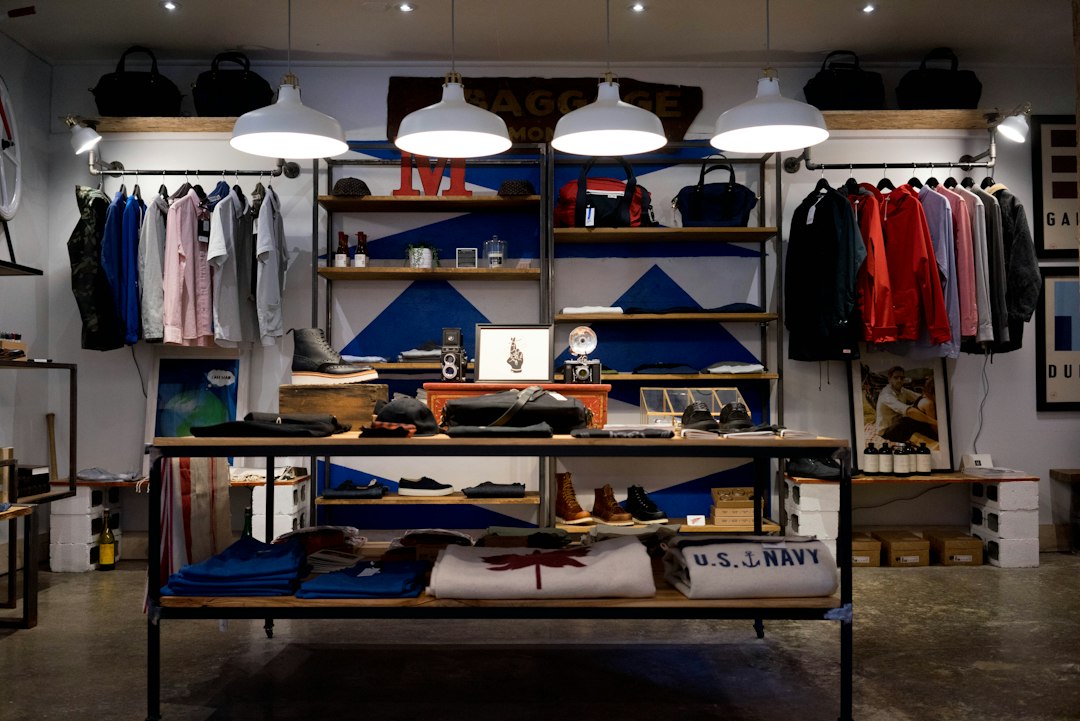
Business-to-business transactions generally involve longer sales cycles and more complex decision-making processes compared to consumer sales. A shop owner needs to consider how your product fits their existing inventory, whether their customers will want it, how it will be displayed, and what margin they can earn. A shopper buying the same item might decide in seconds based on how it looks, whether it’s on sale, or simply because they need it right now.
Pricing, Margins, and Money Flow
The financial mechanics look completely different depending on which path you choose. When you sell wholesale to shops, you’re typically moving larger quantities at lower per-unit prices. A retailer buying a case of your product expects a significant discount from the retail price because they need room for their own markup. They’re taking on the work of stocking, displaying, and selling your goods, and they expect to be compensated for that service. You might sell an item to a shop for half of what it will eventually cost a consumer, which means you need to lower your prices to accommodate the retailer’s margin.
Selling directly to consumers means you keep the full retail price, but you also shoulder all the costs that a retailer would normally handle. You’re paying for your own e-commerce platform, packaging, shipping, customer service, marketing, and returns. Currently, approximately 20% of all retail sales happen online, with the remaining 80% occurring in physical stores, which shows that many shoppers still value the immediacy and tangibility of brick-and-mortar shopping.
Consumer markets often handle smaller amounts of money per transaction compared to business-to-business markets, which deal with larger sums due to the scale of purchases. A single wholesale order might bring in thousands of dollars at once, providing a helpful injection of working capital. A direct-to-consumer sale might be worth thirty dollars, but you’ll collect payment immediately and you won’t be waiting on net-30 or net-60 payment terms that are common in wholesale relationships.
The customer’s perception is your reality.
– Kate Zabriskie
Control, Branding, and Customer Connection
One of the biggest trade-offs between these models is how much control you maintain over your brand and customer experience. When you sell through retail shops, you’re trusting someone else to represent your product well. They decide how it’s displayed, what’s said about it, and how it’s priced on any given day. A retailer might put your carefully crafted item on a clearance shelf next to discounted odds and ends, or they might feature it prominently in a beautiful display. You can lose some control over branding when you rely on intermediaries to present your work.
Direct-to-consumer sales give you complete ownership of the narrative. You write the product descriptions, you choose the photography, you decide what story to tell and how to tell it. You can build a brand identity that’s entirely your own, and you can pivot or adjust your messaging as quickly as you can update a website. This control extends to pricing as well – you’re free to run promotions, test different price points, or maintain premium positioning without negotiating with a middleman.
Perhaps more valuable than brand control is the direct connection to customer feedback. When someone buys from you directly, you hear their questions, their complaints, and their praise firsthand. You see what products they browse before buying, what causes them to abandon a cart, and what keeps them coming back. Retailers handle customer service and feedback in the traditional supply chain, which means that valuable information gets filtered before it reaches you, if it reaches you at all.
Geographic Reach and Growth Strategy
Your choice between shops and shoppers dramatically affects how you can grow and where you can reach. Retailers can expand your geographical footprint in ways that would be difficult or expensive to achieve on your own. A single partnership with a regional or national chain can put your product in front of customers across an entire country, in locations you could never afford to reach through your own distribution network. Retailers act as the final link in the supply chain, connecting manufacturers to consumers by stocking goods and selling them to end customers in communities everywhere.
Selling directly to consumers means your growth is limited primarily by your ability to ship products and market effectively. With e-commerce, you can theoretically sell to anyone with internet access, but you’re also competing with everyone else who has the same access. You need to drive traffic to your own platform, convince people to trust a brand they may have never heard of, and manage the logistics of getting products to doorsteps reliably. In 2020, e-commerce sales grew by 44% in the United States, accelerating a shift that was already underway and proving that direct-to-consumer models can scale impressively when executed well.
The growth strategies look different too. Business-to-business growth often means landing bigger accounts, expanding into new retail partnerships, or increasing your orders from existing customers. Business-to-consumer growth means acquiring more individual customers, increasing conversion rates, improving customer lifetime value, and building recognition in crowded markets where consumers are bombarded with options.
Last Thoughts
Neither selling to shops nor selling to shoppers is inherently better – they’re different tools for different situations, and many successful businesses use both. What matters is understanding what each model asks of you and what it gives back. Wholesale relationships offer stability, larger order sizes, and geographic expansion through established retail networks, but they require you to share profits and surrender some control. Direct sales preserve your margins and your brand voice, but demand that you become good at marketing, logistics, and customer service all at once.
The good news is that these aren’t permanent, all-or-nothing decisions. You can start with one model and add the other as you learn and grow. You might begin by selling directly to build your brand and understand your customers, then approach retailers once you have proof of concept. Or you might launch through wholesale partnerships to achieve quick distribution, then build a direct channel to recapture margin and deepen customer relationships. The path you choose should match not just your product, but your strengths, your resources, and the kind of business you actually want to run day after day.
Your Questions Answered
What is the main difference between B2B and B2C sales?
Business-to-business sales involve selling products or services to other businesses, often for resale or operational use, while business-to-consumer sales involve selling directly to individual customers for personal use. B2B transactions typically feature longer sales cycles, larger order sizes, and logic-driven decision making, whereas B2C sales are often faster, smaller, and more influenced by emotion and convenience.
Can I sell both wholesale and direct-to-consumer at the same time?
Yes, many businesses operate hybrid models that include both wholesale partnerships and direct sales channels. This approach can maximize reach and revenue, though it requires careful management to avoid channel conflict – you don’t want to undercut your retail partners by offering lower prices directly to consumers, and you need clear policies about pricing and territory to keep everyone happy.
Which model offers better profit margins?
Direct-to-consumer sales typically offer higher profit margins per unit because you’re capturing the full retail price rather than selling at wholesale rates. However, you also incur higher costs for marketing, shipping, customer service, and platform fees. Wholesale margins are lower per unit, but operational costs can be more predictable, and you’re selling in larger quantities with less individual transaction overhead.
How do retailers typically mark up wholesale products?
Retail markup varies by industry and product category, but a common approach is keystone pricing, where retailers double the wholesale cost to arrive at the retail price. Some categories command higher markups, while competitive markets might see smaller margins. This is why wholesale prices need to be significantly lower than retail – the retailer needs room to cover their own costs and earn a profit while remaining competitive.
What are the biggest challenges in selling directly to consumers?
The primary challenges include driving traffic to your sales platform, building brand awareness without retail visibility, managing individual shipping and fulfillment, handling customer service inquiries one by one, and competing in crowded online marketplaces where consumers have endless options. You also need to become proficient in digital marketing, conversion optimization, and the technology platforms that enable online sales, which can be a steep learning curve if you’re primarily a product creator rather than a marketer.