
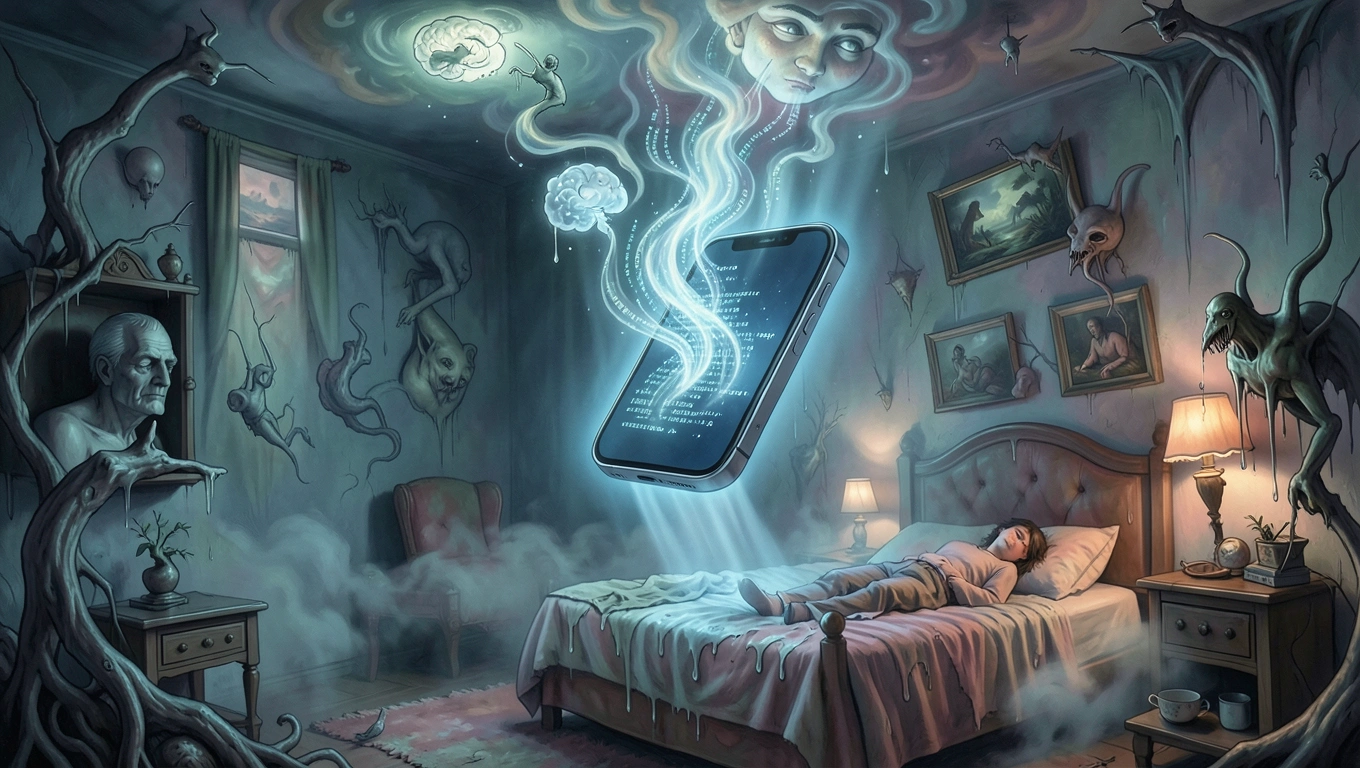
We’ve all been there – tucked under the covers, scrolling through social media or reading one more article, telling ourselves we’ll stop in just five minutes. But those five minutes stretch into an hour, and when we finally put the phone down, our minds are buzzing and sleep feels impossibly far away. This isn’t just a matter of poor willpower. The habit of scrolling in bed creates a perfect storm of biological and psychological factors that work against our ability to wind down and drift off peacefully.
The Blue Light Problem Your Brain Can’t Ignore
Your smartphone, tablet, or laptop screen emits blue light, and this particular wavelength has a powerful effect on your body’s internal clock. Blue light suppresses the production of melatonin, the hormone that signals to your body that it’s time to sleep. Unlike other colors in the light spectrum, blue light is particularly effective at telling your brain to stay alert, essentially tricking it into thinking it’s still daytime.
This isn’t just about bright screens either. Even dim light can affect your circadian rhythm and melatonin secretion. The impact is significant enough that using screens for extended periods in the evening can increase alertness and delay your body clock. When you scroll in bed, you’re sending your brain mixed signals – your surroundings say it’s time to sleep, but your screen says it’s time to be awake and engaged.
What makes blue light particularly troublesome is its staying power. It doesn’t just suppress melatonin momentarily; it can suppress it for longer than other colors of light and shift your circadian rhythms more significantly. This means that even after you put your device down, the effects linger, making it harder to fall asleep and potentially affecting the quality of your sleep throughout the night.

When Content Keeps Your Mind Racing
The light itself is only part of the story. What you’re actually looking at while you scroll plays an equally important role in keeping you awake. Your social media feed, news sites, and streaming platforms are all designed to capture and hold your attention. They’re filled with stimulating content that can trigger what sleep experts call cognitive arousal – a state of heightened mental activity characterized by racing thoughts, increased anxiety, or emotional responses.
Think about what typically populates your feeds: heated political discussions, upsetting news stories, work emails that remind you of tomorrow’s deadlines, or social comparisons that leave you feeling inadequate. This phenomenon has earned its own name – doomscrolling – and it’s the opposite of the mental calm you need to fall asleep. Your mind needs to slow down and disengage, but compelling or distressing content keeps it running at full speed.
Even seemingly harmless scrolling through vacation photos or shopping sites can keep you mentally engaged when you should be winding down. The constant stream of new information, decisions about what to click next, and emotional micro-reactions to each post all add up to a brain that’s actively working rather than preparing for rest.
Sleep is the golden chain that ties health and our bodies together.
– Thomas Dekker
The Design That Keeps You Hooked
Technology companies have spent billions of dollars perfecting the art of keeping you engaged. The platforms you scroll through in bed aren’t neutral tools – they’re specifically designed to be addictive. Infinite scroll features mean there’s no natural stopping point. Algorithms learn what captures your attention and serve you more of it. Notifications ping at unpredictable intervals, creating a variable reward schedule that psychologists have long known to be one of the most effective ways to reinforce behavior.
This creates what researchers call “revenge bedtime procrastination” – when you sacrifice sleep to reclaim personal time, especially if you feel like you haven’t had enough control over your day. After hours of meetings, deadlines, or caring for others, scrolling in bed feels like the one moment that’s truly yours. The problem is that this reclaimed time comes at the expense of the rest your body desperately needs.
The “just one more” effect is real and powerful. One more post, one more video, one more article. Before you know it, what you intended to be a quick five-minute check-in has eaten into an hour or more of potential sleep time. And because you’re lying in bed while doing it, you’re also training your brain to associate your bed with wakefulness and screen time rather than sleep.
Breaking the Bed-and-Screen Association
Your bedroom environment sends signals to your brain about what behaviors belong there. When you consistently scroll in bed, you weaken the mental association between your bed and sleep. Sleep specialists often recommend keeping your bed reserved for sleep and intimacy only, precisely because these strong associations help trigger the physiological changes that prepare you for rest.
Creating new habits takes conscious effort, but the payoff is significant. Consider charging your phone in another room, or at least across the bedroom where you’d have to get up to reach it. If you use your phone as an alarm, try switching to a traditional alarm clock. Replace your scrolling routine with activities that genuinely help you wind down – reading a physical book, gentle stretching, meditation, or journaling.
You might also try setting a digital curfew, a specific time after which screens are off-limits. Some people find success with gradually dimming lights in their home as evening progresses, creating a natural transition toward sleep. Others use apps or device settings that remind them when it’s time to put the phone down, though the irony of using technology to reduce technology use isn’t lost on anyone.
Last Thoughts
The pull of your screen at bedtime is strong, and it’s not a personal failing if you struggle with it. These platforms are designed by teams of experts whose job is to keep you engaged. But understanding what’s happening – the biological impact of blue light, the cognitive arousal from stimulating content, and the deliberate design choices that make scrolling so compelling – gives you the knowledge to make different choices.
Better sleep isn’t just about feeling less tired in the morning, though that’s certainly part of it. Quality sleep affects your mood, your ability to handle stress, your physical health, and even your relationships. When you choose to put your phone down and give yourself the gift of uninterrupted rest, you’re making an investment in every aspect of your life. It might feel difficult at first, especially if scrolling in bed has been your routine for years, but your well-rested future self will thank you for taking that first step tonight.
Your Questions Answered
How long before bed should I stop using my phone?
Most sleep experts recommend stopping screen use at least one hour before your intended bedtime. This gives your body time to start producing melatonin naturally and allows your mind to begin winding down. If an hour feels impossible, start with whatever you can manage – even reducing screen time by twenty or thirty minutes can make a noticeable difference. The key is consistency, so choose a cutoff time you can realistically stick to most nights.
Do blue light glasses or night mode settings actually help?
While blue light filters and night mode settings can reduce some of the wavelengths that suppress melatonin, they don’t solve the entire problem. The content you’re viewing still creates cognitive arousal, and the act of scrolling still keeps your mind engaged when it should be settling down. Think of these features as a small improvement rather than a complete solution. They’re better than nothing if you must use your device before bed, but they’re not a substitute for putting the screen away entirely.
Why do I feel more awake after scrolling in bed even when I’m tired?
You’re experiencing the combined effects of blue light suppressing your melatonin production and cognitive arousal from engaging content. Even if your body is physically tired, your brain is receiving signals to stay alert and keep processing information. This creates the frustrating situation where you feel exhausted but simultaneously too wired to fall asleep. The stimulation from your device has essentially given your tired brain a second wind.
Can scrolling in bed affect my sleep quality even if I fall asleep quickly?
Yes, screen time before bed can impact your sleep quality throughout the night, not just your ability to fall asleep initially. The suppression of melatonin and the disruption to your circadian rhythm can affect your sleep cycles, potentially reducing the amount of deep, restorative sleep you get. You might sleep for the same number of hours but wake up feeling less refreshed because the quality of that sleep was compromised.
What should I do instead of scrolling if I can’t fall asleep?
If you find yourself lying awake, resist the urge to reach for your phone. Instead, try getting out of bed and doing a calming activity in dim light – reading a physical book, doing gentle stretches, or practicing deep breathing exercises. Keep the lights low and the activity relaxing. Only return to bed when you feel genuinely sleepy. This approach helps maintain the association between your bed and sleep rather than reinforcing the connection between your bed and wakefulness.