

Our homes should be our sanctuaries, but sometimes they become sources of stress rather than peace. Between the demands of work, family, and daily life, it’s easy for our living spaces to accumulate clutter, harsh lighting, and an overall sense of chaos. The good news is that transforming your home into a calmer environment doesn’t require a complete renovation or expensive designer furniture. With a few intentional changes to your space, you can create an atmosphere that genuinely supports relaxation and mental clarity. These simple adjustments can make a remarkable difference in how you feel every time you walk through your door.
Clear the Clutter, Clear Your Mind
A cluttered and untidy home environment can lead to increased feelings of stress and anxiety. When every surface holds a stack of papers, forgotten items, or things without a proper place, our minds unconsciously process all of that visual noise. We might not realize it consciously, but clutter creates a low-level sense of unfinished business that prevents us from fully relaxing.
Start with one room or even one corner. Choose a space where you spend significant time, perhaps your bedroom or living room, and commit to addressing the accumulation. This doesn’t mean you need to become a minimalist overnight. Instead, focus on giving everything a designated home. Mail goes in a specific basket, keys hang on a hook, and books return to shelves rather than piling on tables.
Consider the surfaces you see most often. Kitchen counters, coffee tables, and nightstands tend to collect items throughout the week. Making it a habit to clear these spaces each evening takes only minutes but creates an immediate sense of order. When you wake up to a clear nightstand or return home to an uncluttered entryway, your nervous system gets the message that this is a place where you can rest.
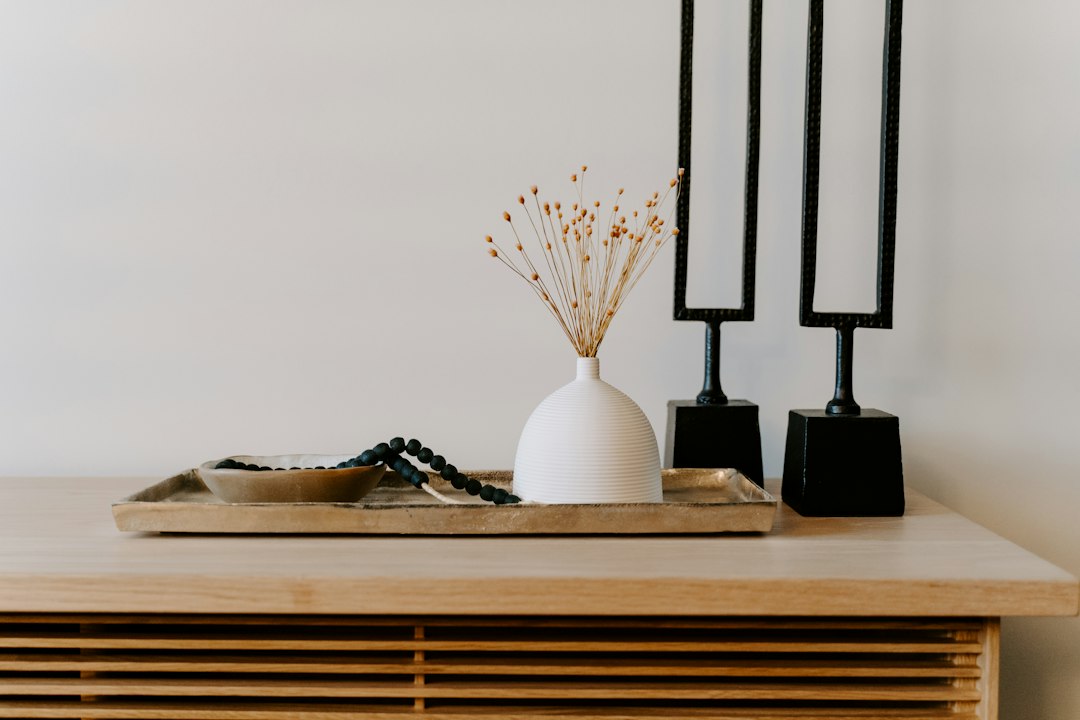
If you’re dealing with years of accumulated belongings, remember that you don’t need to tackle everything at once. Set a timer for fifteen minutes and focus on one category: old magazines, unused kitchen gadgets, or clothes you haven’t worn in years. Small, consistent efforts to declutter can transform your space without overwhelming you in the process.
Embrace Colors That Soothe
The colors surrounding us have a genuine impact on our mood and energy levels. Using soft shades of blue, green, or lavender in your home decor can promote relaxation and serenity. These aren’t just aesthetic choices; they’re rooted in how our brains process different wavelengths of light and associate certain hues with natural, calming environments.
You don’t need to repaint every wall to introduce calmer colors. Start with textiles and accessories that you can change relatively easily. Throw pillows in soft sage green, a lightweight blanket in dusty blue, or curtains in a gentle lavender can shift the entire feeling of a room without permanent commitment. These touches add layers of tranquility while remaining flexible if your preferences evolve.
If you do decide to paint, consider which rooms would benefit most from a color shift. Bedrooms are natural candidates for peaceful blues or greens, supporting better sleep and morning calm. Living spaces might benefit from warm, muted neutrals with calming accent colors in furniture and decor. Even small spaces like bathrooms can become mini-retreats with the right color palette.
Pay attention to how different colors make you feel in your own space. Some people find soft grays incredibly peaceful, while others prefer warmer beiges or taupes. The goal isn’t to follow rigid design rules but to create an environment that genuinely helps your nervous system settle when you’re home.
Your sacred space is where you can find yourself over and over again.
– Joseph Campbell
Soften Your Lighting
Harsh overhead lighting can make even the most beautifully decorated room feel institutional and stressful. Employing warm, soft, and indirect lighting, often with dimmable features, can create a cozy and relaxing ambiance that changes the entire character of your home.
Think about how different spaces are used throughout the day. In the morning, you might want brighter light to help you wake up and prepare for the day. But in the evening, softer lighting signals to your body that it’s time to wind down. Installing dimmer switches on existing fixtures is often straightforward and gives you control over the intensity of light in any room.
Table lamps and floor lamps create pools of warm light that feel more intimate than overhead fixtures. Position them where you actually spend time: next to your reading chair, on your bedside table, or in corners that otherwise feel dark and unwelcoming. Multiple smaller light sources create depth and warmth that a single ceiling fixture cannot match.
Consider the color temperature of your bulbs as well. Warm white bulbs cast a gentle, yellowish glow that feels more like natural firelight, while cool white or daylight bulbs have a bluer tone that can feel clinical. For evening spaces, warmer bulbs support relaxation. If you want flexibility, smart bulbs let you adjust both brightness and color temperature throughout the day without changing hardware.
Bring Nature Indoors
Bringing indoor plants like snake plants or peace lilies into your home can contribute to a calmer atmosphere and purify the air. There’s something inherently soothing about living greenery, perhaps because we evolved in natural environments and respond positively to signs of life and growth around us.
If you’re new to houseplants or concerned about maintenance, start with varieties known for being forgiving. Snake plants tolerate low light and infrequent watering. Pothos vines grow enthusiastically with minimal care. Peace lilies actually signal when they need water by drooping slightly, making it easy to know when to tend to them. These plants aren’t demanding roommates, but they do provide genuine benefits to your space.
Place plants where you’ll see them regularly. A small plant on your desk, a larger one in a frequently used corner, or a trailing pothos on a bookshelf adds life to your sightline throughout the day. Even a simple herb garden on a sunny kitchen windowsill serves double duty as both calming greenery and fresh ingredients for cooking.
Beyond their air-purifying qualities, plants give us something gentle to care for. The simple act of watering and tending to living things can be meditative, creating small moments of mindfulness in your routine. As they grow and change, they remind us that our homes are dynamic, living spaces rather than static showrooms.
Engage Your Sense of Smell
Infusing calming scents, such as lavender or jasmine, through essential oils or candles can help reduce stress and set a peaceful mood. Scent is processed by the part of our brain closely connected to memory and emotion, which explains why certain aromas can instantly shift how we feel.
Essential oil diffusers offer a way to introduce gentle fragrance without smoke or strong artificial perfumes. A few drops of lavender oil in the bedroom before sleep, or some eucalyptus in the bathroom for a spa-like feeling during a shower, can create distinct experiences in different rooms. Diffusers with timers let you enjoy scent without worrying about leaving something on all day.
Candles provide both scent and soft, flickering light that feels instinctively calming. Look for candles made with natural waxes like soy or beeswax, which burn cleaner than traditional paraffin candles. The ritual of lighting a candle as you begin to wind down in the evening can become a signal to yourself that it’s time to shift from productive mode to rest mode.
Not every scent will work for everyone. While lavender is widely recognized as calming, you might find that vanilla, chamomile, or even fresh linen scents feel more soothing to you. Trust your own preferences, and rotate scents seasonally or based on your mood. The goal is to create positive associations with your space through gentle, pleasant aromas that support rather rather than overwhelm.
Last Thoughts
Creating a calmer home isn’t about achieving magazine-perfect styling or following every design trend. It’s about making intentional choices that support how you actually want to feel in your space. The changes that matter most are the ones you’ll notice every day: the cleared countertop that greets you each morning, the soft lamp glow that welcomes you home in the evening, the plant you pause to water before starting your day.
These adjustments don’t demand significant financial investment or dramatic lifestyle changes. They simply ask for attention to how your environment affects your wellbeing. As you implement even a few of these ideas, pay attention to which changes make the biggest difference for you personally. Your home should be a reflection of what brings you peace, not a checklist of design rules.
In a world that often feels overwhelming and fast-paced, we deserve spaces that help us slow down and breathe. The home you create can be an active participant in your wellbeing, a place that genuinely supports your need for rest, clarity, and calm. You might be surprised by how much better you feel when your surroundings are working with you rather than against you.
Your Questions Answered
How quickly can I expect to feel a difference after making changes to my home?
Many people notice an immediate shift in how they feel after even small changes like clearing clutter from a main living area or adding softer lighting. The psychological impact of a tidier, more intentional space can be felt right away. However, the deepest benefits come with consistency, as your nervous system begins to associate your home with genuine relaxation over time. Give yourself at least a few weeks of maintaining these changes to experience their full effect.
What if I’m renting and can’t make permanent changes like painting walls?
The majority of calming changes don’t require permanent alterations. Removable wallpaper or peel-and-stick options give you color without commitment. Focus on textiles, lighting, plants, and organization, all of which are completely reversible. Even strategic furniture arrangement and the addition of rugs can dramatically change how a space feels without touching a wall. Renting actually encourages creativity in making impactful changes through accessories and thoughtful styling.
Are there any plants I should avoid if I have pets?
Some common houseplants can be toxic to cats and dogs if ingested. Peace lilies, while beautiful and calming, are problematic for pets. Instead, consider pet-safe options like spider plants, Boston ferns, or parlor palms, which provide the same calming greenery without health risks. Always research a plant’s safety before bringing it home if you have curious pets, and consider placing plants in areas your animals don’t typically access.
How can I convince other household members to maintain a clutter-free space?
Rather than imposing rules, involve everyone in creating systems that actually work for your household’s real habits. If someone always drops their bag by the door, put a designated basket or hook there rather than fighting the behavior. When people understand that organization makes their lives easier rather than adding restrictions, they’re more likely to participate. Start with shared spaces that affect everyone, and demonstrate the benefits through your own consistency before expecting others to change.
Do I need to use all of these strategies, or can I pick and choose?
You should absolutely pick and choose based on what resonates with you and what your space actually needs. Some homes might already have great lighting but suffer from clutter, while others might be tidy but feel harsh and sterile. Start with whichever change feels most urgent or exciting to you. There’s no requirement to implement everything at once. Even focusing on just one or two areas can create meaningful improvement in how your home feels.