
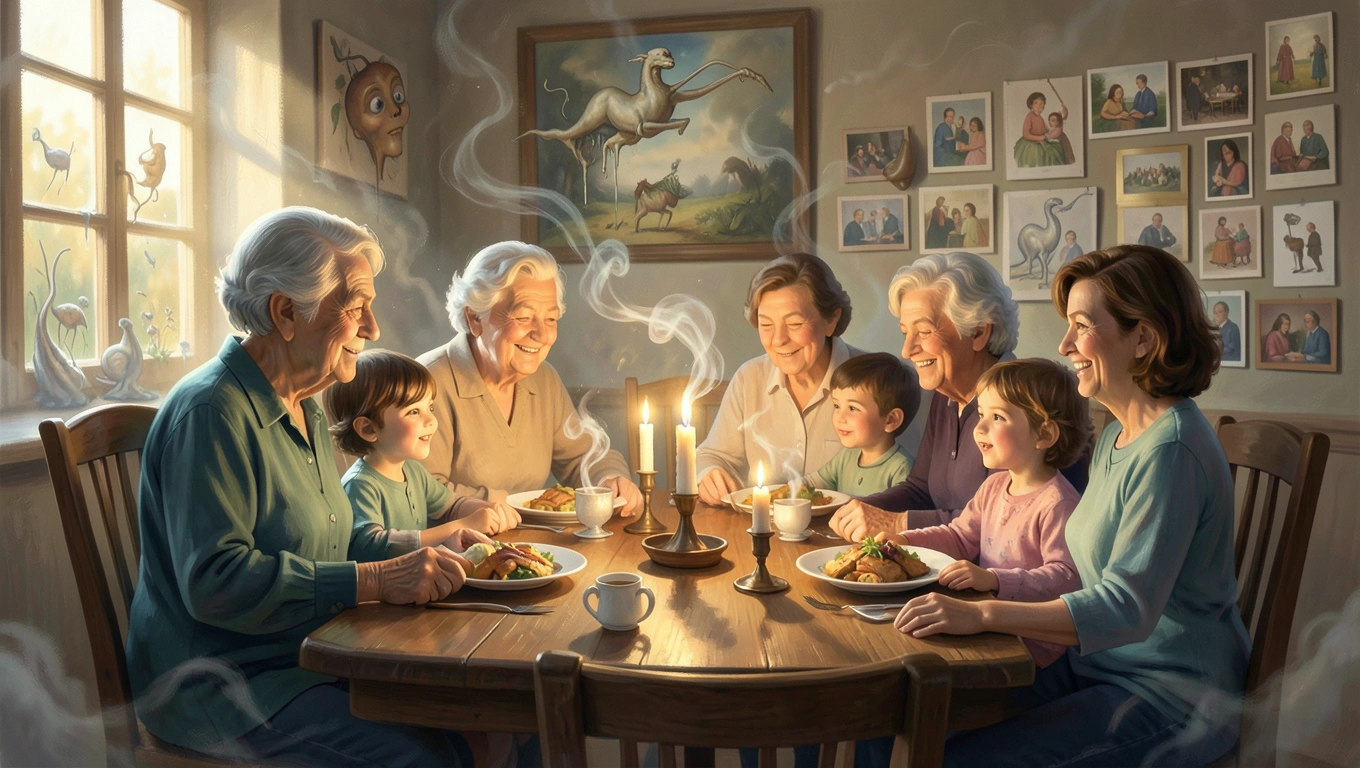
There’s something quietly powerful about family traditions. They anchor us to each other, create shared memories, and give everyone something to look forward to. Whether you’re raising young children, navigating the teenage years, or building connections with extended family, traditions don’t need to be elaborate or expensive to matter. What counts is the consistency, the intention, and the message they send: we belong to each other, and this time together is worth protecting. If you’ve been thinking about starting something new with your family, this year offers a fresh canvas. The traditions you begin now can become the stories your children tell their own kids someday.
Why Family Traditions Create Lasting Bonds
Traditions work because they create predictability in an unpredictable world. When children know that every Sunday means pancakes together, or that the first day of school always starts with a special breakfast, they develop a sense of security and belonging. These rituals become reference points, moments they can count on even when everything else feels uncertain.
Research consistently shows that families with established traditions tend to have stronger communication, deeper emotional connections, and children with higher self-esteem. The traditions themselves matter less than the fact that they exist at all. A weekly game night carries the same weight as an annual camping trip if both are honored consistently. What children remember isn’t perfection but presence, not the Pinterest-worthy execution but the feeling of being chosen, again and again.
As iMOM notes in their guide to family traditions, even simple rituals like a special handshake or a bedtime routine can create powerful emotional anchors. The key is finding what fits naturally into your family’s rhythm rather than forcing something that feels like one more obligation on an already crowded calendar.

Simple Weekly Traditions That Build Connection
Weekly traditions are the workhorses of family life. They’re frequent enough to matter but not so rare that they feel like a production. Consider starting a Friday night movie tradition where each family member takes turns choosing the film. Keep it uncomplicated: popcorn, blankets on the floor, phones in another room. The actual movie barely matters compared to the uninterrupted time together.
Taco Tuesday has become a cultural phenomenon for good reason. It’s predictable, customizable, and turns an ordinary weeknight into something anticipated. Let everyone build their own plate, try new toppings, share the day’s highs and lows while passing the salsa. The conversation flows more easily when hands are busy and eyes aren’t locked in forced eye contact across a formal table.
Sunday morning breakfast traditions work beautifully because they set the tone for the entire day. Maybe Dad makes his signature scrambled eggs, or everyone takes turns being the chef. Perhaps you read the comics together over coffee and juice, or take a walk before the day scatters everyone in different directions. The specific activity matters less than the consistency and the clear message: Sunday mornings belong to us.
In every conceivable manner, the family is link to our past, bridge to our future.
– Alex Haley
Annual Traditions That Mark Time
Annual traditions take on deeper meaning as years pass. They become the measuring stick by which we watch our children grow, our relationships evolve, and our lives unfold. The photos from the same spot on the first day of school create a visual timeline. The yearly camping trip to the same lake becomes a pilgrimage, each visit layered with memories of previous summers.
Birthday traditions deserve special attention because they celebrate the individual within the family unit. Maybe the birthday person chooses every meal that day, or gets served breakfast in bed, or picks a special outing. Some families have a tradition of giving the birthday child a letter each year, documenting their growth and what made them special at that age. Imagine the gift of reading those letters as a young adult, seeing yourself through your parents’ eyes at five, ten, fifteen.
Creating new holiday traditions matters especially if you’re blending families or want to establish your own identity separate from extended family patterns. According to Southern Living’s collection of tradition ideas, families find meaning in everything from making the same cookie recipe together to driving around looking at neighborhood lights while drinking hot chocolate. The magic isn’t in the tradition itself but in doing it together, year after year.
Consider marking seasons rather than just holidays. A spring tradition of planting a garden together, a fall tradition of visiting a pumpkin patch or apple orchard, a winter tradition of building the first snowman. These seasonal anchors connect your family to the natural world’s rhythm and create anticipation throughout the year.
Everyday Moments That Become Traditions
The smallest rituals often carry the most weight. A special goodbye phrase every morning. Reading together for fifteen minutes before bed, no matter what. High-fives at the dinner table when someone shares good news. A gratitude practice where everyone names one thing they’re thankful for before the meal begins. These micro-traditions cost nothing, require minimal planning, and create the fabric of daily family life.
Bedtime traditions particularly matter for young children. Maybe you sing the same song, say a specific prayer, or do “rose and thorn” where everyone shares the best and hardest part of their day. The actual content matters less than the signal it sends: I’m here, you’re safe, this day is closing in peace. Teenagers might roll their eyes at early childhood rituals, but many families successfully adapt them. A goodnight text exchange, a weekend coffee run together, a standing invitation to talk during late-night kitchen raids when guards are down.
Consider traditions around welcoming family members home. Some families ring a bell when someone returns from deployment or a long trip. Others have a special meal or make a welcome-home sign. These rituals communicate that comings and goings matter, that your presence is noticed and celebrated.
Last Thoughts
Starting a family tradition doesn’t require a grand gesture or perfect execution. It simply requires showing up, again and again, for the people who matter most. Choose traditions that fit your family’s personality, schedule, and values rather than copying what looks good on social media. A tradition rooted in genuine connection will always outlast one chosen for appearances.
The traditions you start this year won’t feel significant immediately. They become meaningful through repetition, through the accumulation of shared experiences, through the knowledge that this thing, whatever it is, belongs uniquely to your family. Years from now, your children will remember not just the traditions themselves but the feeling behind them: that they were worth the time, that family was worth protecting, that belonging to each other mattered more than anything else competing for your attention. That’s the real gift traditions offer, and it’s never too late to start building that legacy.
Your Questions Answered
How do you start a new family tradition that actually sticks?
Start small and choose something that genuinely fits your family’s rhythm and interests. The best traditions feel natural rather than forced. Begin with something simple you can do consistently, like pizza Friday or Sunday walks. Give it at least three months before evaluating whether it’s working. Let the tradition evolve as your family changes, and don’t be rigid about perfection. Missing occasionally won’t destroy a tradition, but honoring it most of the time creates the pattern that matters.
What if my teenagers think family traditions are lame?
Teenagers often resist traditions publicly while secretly valuing them. Give them some ownership by letting them suggest modifications or new traditions that feel age-appropriate. A family game night might evolve into a monthly escape room outing or a tradition of trying new restaurants together. Keep showing up consistently without forcing enthusiasm, and recognize that even eye-rolling participation still counts as connection. Many adults report that the traditions they resisted as teens became the ones they missed most when they left home.
How many family traditions should we have?
Quality beats quantity every time. Two or three consistent traditions honored faithfully matter more than ten attempted sporadically. Consider having one weekly tradition, one or two annual traditions, and perhaps a daily ritual like dinner together or bedtime routines. Too many traditions can feel overwhelming and turn something meaningful into another checkbox on an already busy schedule. Choose what you can maintain realistically and build from there if desired.
Can we start traditions with extended family who live far away?
Distance doesn’t prevent meaningful traditions. Consider a monthly video call where everyone shares dinner together virtually, or an annual reunion at a consistent location. Some families do book clubs where distant members read and discuss the same book monthly. Others send care packages at specific times, maintain group chats for sharing photos, or coordinate watching the same TV show and texting reactions in real time. The key is consistency and shared experience, not physical proximity.
What if we try a tradition and it doesn’t work for our family?
Abandon it without guilt. Not every tradition fits every family, and discovering what doesn’t work is part of finding what does. Give new traditions a fair trial of a few months, then honestly assess whether they’re creating connection or causing stress. If something feels like an obligation rather than something you look forward to, let it go and try something else. The goal is building meaningful connection, not checking boxes or maintaining traditions for tradition’s sake.