

Taking your first solo trip can feel like standing at the edge of something both thrilling and terrifying. You’ve probably imagined yourself exploring a new city, making your own schedule, and discovering parts of yourself you didn’t know existed. But you’ve also likely worried about safety, loneliness, or simply getting lost in an unfamiliar place. The truth is, traveling alone for the first time is one of the most rewarding experiences you can give yourself, and with the right preparation, you can do it with genuine confidence. It’s not about being fearless – it’s about being prepared, staying flexible, and trusting yourself to handle whatever comes your way.
Start Small and Build Your Comfort Level
You don’t need to book a month-long backpacking trip across Southeast Asia for your first solo adventure. In fact, starting with small, local day trips or staycations can help you build confidence gradually without the pressure of international travel. Try spending a day in a nearby city you’ve never explored, or book a weekend at a hotel in your own state. These shorter trips let you practice making decisions independently, navigating new spaces, and enjoying your own company without the commitment of a long journey.
These practice runs teach you practical skills too. You’ll learn how to read public transportation maps, ask strangers for directions, find good restaurants on your own, and handle unexpected changes like a closed museum or bad weather. Each small success builds your confidence for bigger adventures. When you realize you can spend an entire Saturday in a new place and not only survive but actually enjoy yourself, the idea of a week-long solo trip abroad becomes far less intimidating.
Starting local also gives you a safety net. If something feels wrong or you simply aren’t enjoying yourself, you can return home easily. There’s no shame in cutting a practice trip short – the point is to learn about your own preferences, boundaries, and capabilities in a low-stakes environment.
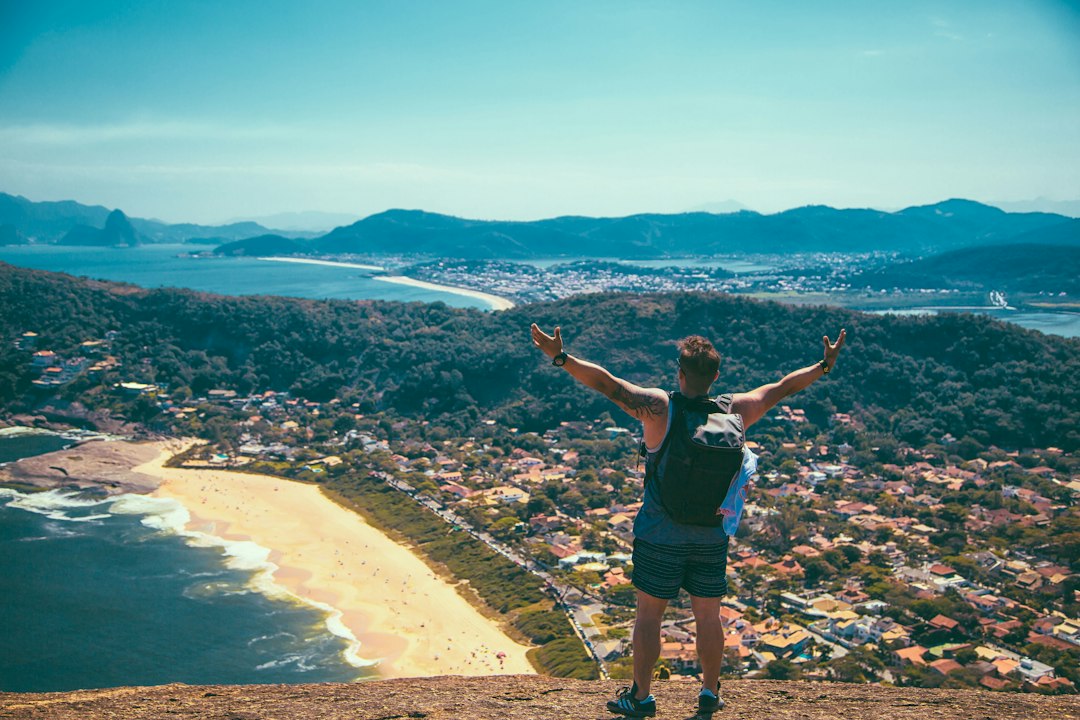
Choose Your Destination Wisely
Your first solo destination matters more than you might think. Some places are naturally more welcoming to solo travelers than others, with well-developed tourist infrastructure, strong safety records, and cultures that embrace independent travelers. Consider destinations known for their solo-traveler friendliness – places with reliable public transportation, English signage if you’re not multilingual, and established traveler communities.
Think about what kind of experience you want. If you’re nervous about being alone, choose a destination with hostels or group tours where you can easily meet other travelers. If you value independence over socializing, pick a place where you can comfortably dine alone, explore museums at your own pace, and spend evenings reading in cozy cafes without feeling conspicuous. Cultural norms vary widely – in some countries, solo dining is perfectly normal, while in others, you might attract curious stares.
The journey of a thousand miles begins with one step.
– Lao Tzu
Research is your best friend here. Read blogs from other solo travelers, check safety ratings, and understand the local customs around gender, dress codes, and social interactions. Some destinations are particularly beginner-friendly – cities with low crime rates, helpful locals, and plenty of other tourists navigating the same spaces you’ll be exploring. You’re not looking for a perfectly sanitized experience, but you do want a place where you can focus on enjoying yourself rather than constantly worrying about safety or severe culture shock.
Plan Enough, But Not Too Much
One of the biggest advantages of solo travel is the freedom to choose your own itinerary, pace, and activities without compromise. But as a first-timer, having zero plan can feel overwhelming and stressful. The sweet spot is planning just enough to feel secure while leaving room for spontaneity and discovery.
Book your accommodation in advance, especially for your first night or two. Arriving in a new place after a long journey and having to search for somewhere to sleep is needlessly stressful. Beyond that, research a few key attractions or experiences you definitely want to include, but don’t schedule every hour of every day. Solo travel rewards flexibility – you might meet someone who recommends an incredible restaurant, discover a neighborhood you want to explore more deeply, or simply need a morning to sleep in and recharge.
Create a loose framework rather than a rigid itinerary. Know how you’ll get from the airport to your hotel. Identify a couple of restaurants or neighborhoods where you’ll feel comfortable eating alone. Research basic safety information and save emergency numbers. But resist the urge to plan everything down to the minute. Planning a safe, confident first trip means finding balance between preparation and openness to whatever unfolds.
Consider joining one or two organized activities – a walking tour, cooking class, or day trip. These structured experiences give you built-in opportunities to meet people while still maintaining your independence. You’re not committing to a group tour for your entire trip, just adding some social touchpoints that can make solo travel feel less isolating.
Build Your Practical Confidence
Confidence comes from knowing you can handle practical challenges, not from never encountering them. Before you leave, take care of the logistics that often cause the most stress. Make copies of important documents and store them separately from the originals. Download offline maps of your destination. Learn a few basic phrases in the local language, even if it’s just “please,” “thank you,” and “where is the bathroom.” These small preparations make a real difference when you’re tired, jet-lagged, or dealing with something unexpected.
Trust yourself to solve problems as they arise. Traveling alone teaches you to rely on yourself, make independent decisions, and develop resilience – skills that extend far beyond your trip. You will make mistakes. You’ll probably get on the wrong bus at some point, overpay for something touristy, or feel lonely in a crowded restaurant. These experiences aren’t failures – they’re exactly how you develop genuine confidence rather than false bravado.
Stay connected without being tethered. Let someone back home know your general itinerary and check in periodically, but don’t spend your entire trip texting friends or video-calling family. Part of solo travel’s value comes from sitting with your own thoughts, making decisions based on your own desires, and learning that you can be your own good company. The discomfort you might feel initially often transforms into deep satisfaction.
Pay attention to your intuition. If something feels off – a person, a neighborhood, a situation – trust that feeling and remove yourself. Confidence doesn’t mean ignoring warning signs; it means trusting your judgment and acting on it. Most solo travelers report that their trips go smoothly, but part of traveling confidently is knowing you can handle the exceptions.
Last Thoughts
Your first solo trip won’t be perfect, and that’s exactly as it should be. The point isn’t to execute a flawless vacation – it’s to discover that you’re more capable, adaptable, and resourceful than you realized. Solo travel can significantly increase your confidence and self-esteem by providing opportunities to try new things and navigate unfamiliar situations daily, and those benefits often surprise first-timers with their depth and permanence.
The confidence you build while traveling alone doesn’t stay confined to your trips. It follows you home, influencing how you approach challenges in your daily life, how you advocate for yourself, and how comfortable you become with your own company. That might sound like an exaggeration until you experience it yourself – then it becomes one of those truths you wish someone had told you sooner. Start small if you need to, plan enough to feel secure, choose a destination that excites rather than terrifies you, and trust that you’ll figure out the rest as you go. Your first solo trip is waiting, and you’re more ready for it than you think.
Your Questions Answered
Is solo travel safe for first-timers?
Solo travel can be very safe when you choose appropriate destinations, stay aware of your surroundings, and take standard precautions like securing your belongings and avoiding isolated areas at night. First-timers often find that their safety fears were overblown, though it’s smart to research your destination’s specific safety considerations and trust your instincts if something feels wrong. Many solo travelers report feeling safer than they expected because they stay more alert and make more cautious decisions than they might when traveling with others.
How do I deal with loneliness when traveling alone?
Loneliness can happen, especially during meals or evenings, but it’s usually temporary and often transforms into peaceful solitude rather than isolation. Combat it by staying in social accommodations like hostels, joining group activities or tours, chatting with locals and other travelers, and maintaining some contact with friends back home. Many solo travelers discover they enjoy their own company more than they expected and that being alone doesn’t necessarily mean being lonely – it often means being free to fully engage with new experiences.
What should I pack for my first solo trip?
Pack lighter than you think you need – a smaller bag forces you to be more mobile and self-sufficient. Essentials include copies of important documents stored separately, a portable charger, basic first-aid items, comfortable walking shoes, and versatile clothing that layers well. Bring items that make you feel secure, like a small padlock for hostel lockers or a doorstop for extra hotel security, but remember that most things you forget can be purchased at your destination. The goal is comfortable self-sufficiency, not preparing for every possible scenario.
How do I meet people when traveling solo?
Meeting people solo is often easier than when traveling with companions because you appear more approachable and have stronger motivation to connect. Stay in hostels with common areas, join free walking tours, take classes or workshops, eat at communal tables, or use apps designed for meeting fellow travelers. Even saying yes to casual conversations – at coffee shops, on public transportation, or at attractions – can lead to unexpected connections. Remember, many other solo travelers are also hoping to meet people, so a simple introduction often leads to shared meals or explorations.
How much does solo travel cost compared to traveling with others?
Solo travel can cost more per person because you don’t split accommodation or transportation costs, but it also gives you complete control over your budget. You can save money by staying in hostels, eating street food, using public transportation, and skipping activities that don’t interest you without feeling obligated to compromise. Many solo travelers find they actually spend less overall because they’re not influenced by travel companions with different spending habits or interests. The key is choosing a destination that fits your budget and being mindful about where you’re willing to splurge versus save.