
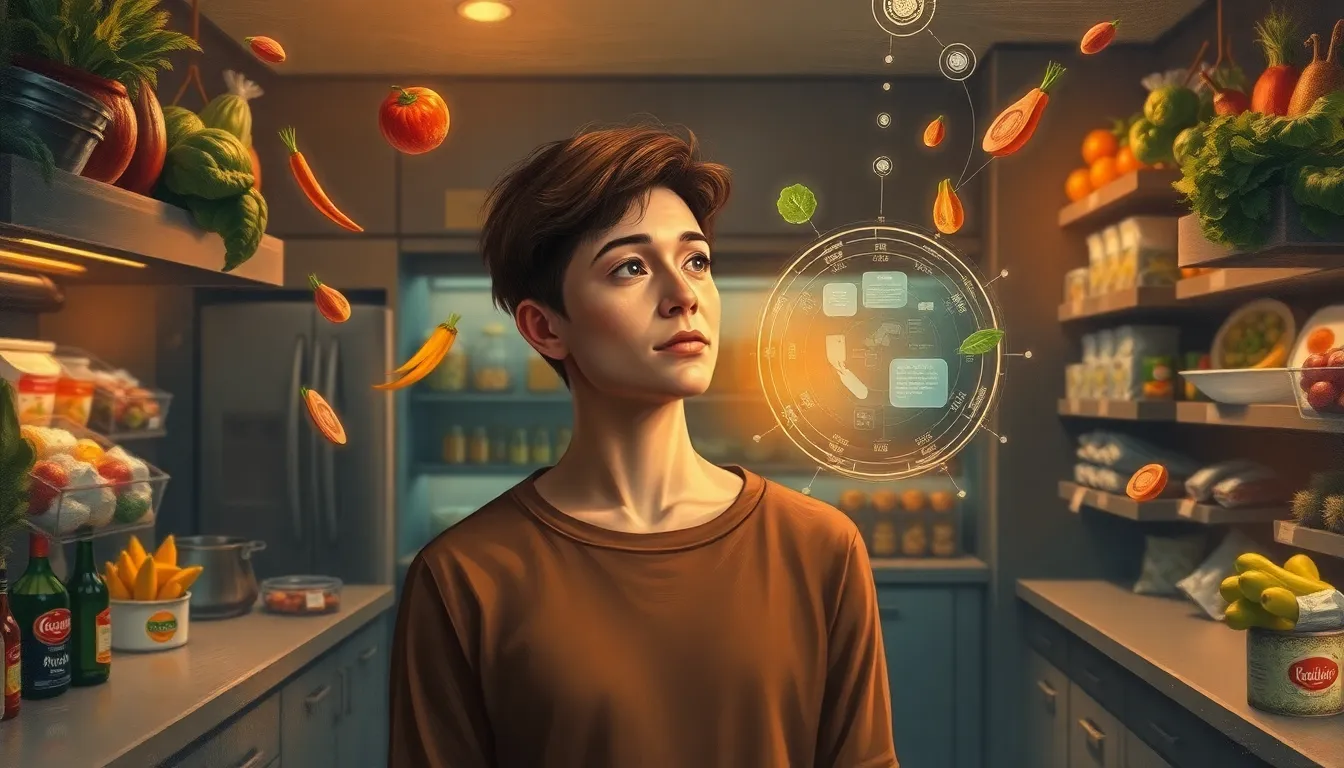
Planning a week’s worth of meals can feel overwhelming. Between dietary preferences, budget constraints, ingredient availability, and the endless question of “what’s for dinner?”, many of us find ourselves staring into the fridge with no clear plan. AI chatbots are stepping in to change that dynamic, offering personalized menu planning that adapts to your needs, saves time, and reduces food waste. These digital assistants can generate complete weekly menus in seconds, create shopping lists, and even suggest recipe variations based on what you already have at home. Whether you’re cooking for one or feeding a family, AI-powered meal planning represents a practical solution to one of everyday life’s most persistent challenges.
Why AI Chatbots Excel at Menu Planning
AI chatbots process information differently than traditional recipe websites or meal planning apps. When you tell a chatbot about your dietary restrictions, favorite ingredients, cooking skill level, and time constraints, it synthesizes all those factors simultaneously. A CNET review of AI meal planning highlighted how these tools can balance nutritional needs with budget considerations, creating plans that feel custom-designed rather than pulled from a generic template.
The conversational nature makes a real difference. Instead of navigating through dropdown menus and checkboxes, you simply describe what you need. You might say you want high-protein dinners that take under thirty minutes, or vegetarian lunches that work well as leftovers. The chatbot understands context and can adjust on the fly. If you mention that you dislike cilantro or need to avoid dairy, it remembers throughout the entire conversation and won’t suggest recipes featuring those ingredients.
Another strength lies in creativity within constraints. Running low on groceries before your next shopping trip? Describe what’s in your pantry and refrigerator, and the chatbot can propose meals using exactly those ingredients. This reduces waste and stretches your food budget further than you might manage on your own.

Getting Started with Your First AI Meal Plan
Starting with AI meal planning requires no special software. Free chatbots work remarkably well for this purpose. Begin by being specific about your parameters. Tell the chatbot how many people you’re feeding, which meals you want planned (breakfast, lunch, dinner, or all three), any dietary requirements, and your general cooking approach. The more detail you provide upfront, the better your results.
A helpful strategy involves breaking the conversation into steps. First, ask for a basic weekly dinner plan. Review the suggestions and provide feedback. Maybe the Monday recipe looks too complicated for a weeknight, or you’d prefer fish instead of chicken on Wednesday. The chatbot will revise the plan based on your input. This iterative process feels natural and results in a menu you’ll actually want to follow.
Once you’re satisfied with the menu, request a consolidated shopping list organized by grocery store section. Guides on AI meal planning techniques recommend asking the chatbot to group ingredients by produce, dairy, pantry staples, and proteins. This organization makes your shopping trip more efficient and helps ensure you don’t forget anything.
One cannot think well, love well, sleep well, if one has not dined well.
– Virginia Woolf
Customizing Plans for Real-Life Situations
The true power of AI meal planning emerges when you apply it to your specific circumstances. Parents juggling picky eaters can request meals where components can be customized at the table. Ask for a taco night where everyone builds their own, or pasta dishes where sauce can be added individually. The chatbot understands these nuances and suggests meals with built-in flexibility.
Budget-conscious planning works especially well with AI assistance. Specify your weekly food budget, and the chatbot will suggest cost-effective proteins, seasonal produce, and recipes that maximize ingredients across multiple meals. It might propose a roasted chicken on Sunday that provides meat for Monday’s salad and Tuesday’s soup, stretching one purchase across three dinners.
For those managing health conditions or fitness goals, AI chatbots can factor in macronutrient targets, calorie ranges, or specific nutritional needs. Real-world testing of AI meal plans showed that these tools can successfully create balanced menus that meet specific dietary goals while remaining practical for everyday cooking. You’re not restricted to bland diet food; the chatbot finds flavorful options that happen to align with your health objectives.
Time-strapped professionals benefit from requesting batch-cooking plans. Ask the chatbot to design a menu where you cook larger portions on Sunday and Wednesday, with quick assembly meals on busy evenings. It might suggest preparing a large pot of chili and a sheet pan of roasted vegetables that serve as bases for multiple dinners throughout the week.
Beyond Basic Recipes: Advanced AI Planning Features
Once you’re comfortable with basic meal planning, AI chatbots can handle more sophisticated requests. Seasonal eating becomes simple when you ask for menus featuring produce at its peak. The chatbot knows which fruits and vegetables are harvested in different seasons and can build plans around those ingredients, often resulting in better flavor and lower prices.
Cooking skill development happens naturally when you request that your meal plan include one new technique each week. The chatbot might introduce you to roasting, braising, or pan-searing through recipes that teach these methods in accessible ways. Over time, your cooking repertoire expands without feeling overwhelming.
Cultural exploration through food becomes an adventure you can plan. Ask for a week of Mediterranean meals, or request that each dinner represent a different cuisine. The chatbot will suggest authentic dishes, explain unfamiliar ingredients, and even note which spices or staples you might want to keep stocked for future cooking in that style.
Leftover management reaches new levels of efficiency. Describe what remains from previous meals, and the chatbot will weave those ingredients into upcoming recipes. That half-bunch of parsley, remaining rice, or extra cooked chicken gets incorporated thoughtfully rather than languishing in your refrigerator until it spoils.
Last Thoughts
AI chatbots have transformed meal planning from a chore into a collaborative process that actually reflects how real people cook and eat. The technology excels not because it knows more recipes than you could find through search engines, but because it understands context, remembers your preferences, and adapts to your feedback. We’re no longer choosing between the rigidity of preset meal plans and the chaos of figuring it out day by day. Instead, we have a middle path that offers structure while remaining flexible enough to accommodate life’s unpredictability. The weekly menu becomes a helpful guide rather than a mandate, reducing decision fatigue while leaving room for spontaneity. As these tools continue improving, they’re likely to become standard kitchen helpers, as common as having a favorite cookbook on the counter. The real gift isn’t just saved time or reduced food waste, though those benefits matter. It’s the mental space freed up when you’re no longer carrying the constant background anxiety of wondering what’s for dinner.
Your Questions Answered
Do I need to pay for an AI chatbot to plan meals?
No, several free AI chatbots work excellently for meal planning. The free versions of popular chatbots provide more than enough functionality for creating weekly menus, generating shopping lists, and adjusting recipes. Paid versions might offer faster responses or slightly more sophisticated features, but the core meal planning capability works well without any subscription.
How accurate are the recipes suggested by AI chatbots?
AI chatbots draw from vast databases of established recipes, so their suggestions generally work well in practice. However, they occasionally combine ingredients in unusual ways or suggest unconventional cooking times. It’s wise to review recipes with a critical eye, especially when trying something completely new. If a suggested combination seems odd, ask the chatbot to explain or suggest an alternative approach.
Can AI chatbots accommodate multiple dietary restrictions at once?
Yes, this is one of their strongest capabilities. You can specify that you need gluten-free, dairy-free, and nut-free meals all at once, and the chatbot will create menus that satisfy all three requirements simultaneously. It can also handle situations where different family members have different restrictions, suggesting meals where components can be customized for individual needs.
Will the suggested grocery list match my local store’s products?
AI chatbots provide generic ingredient lists rather than store-specific product recommendations. The shopping list will say “chicken breast” rather than naming a particular brand or package size. You’ll still need to select specific products based on what’s available at your store, your budget preferences, and package sizes that make sense for your household.
How do I handle meals that don’t turn out as expected?
When a suggested recipe disappoints, return to the chatbot and describe what went wrong. The detailed feedback helps it adjust future suggestions. If a recipe was too spicy, too bland, took longer than expected, or used an ingredient you didn’t enjoy, mention those specifics. The chatbot will remember these preferences and refine its recommendations accordingly, making your meal plans progressively better aligned with your actual tastes and cooking style.