
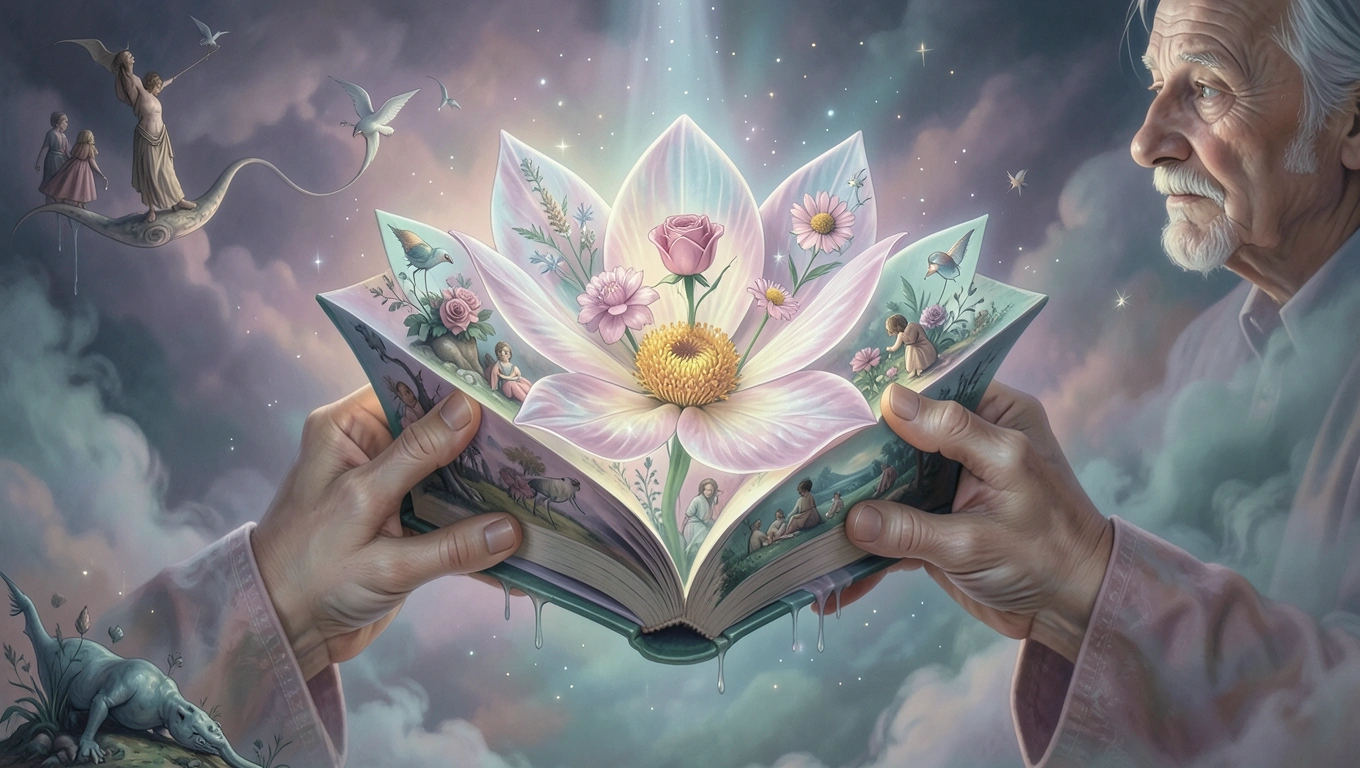
There’s something quietly magical about pressing flowers with children. It slows time in a way few other activities can, inviting young hands to pause, observe, and create something lasting from nature’s fleeting beauty. This gentle craft weaves together curiosity, patience, and creativity, transforming a simple walk outdoors into the beginning of an artistic journey. Whether you’re preserving petals from a birthday bouquet or wildflowers gathered on a Saturday morning, flower pressing offers children a meaningful connection to the natural world while developing skills that reach far beyond the craft table.
A Craft With Ancient Roots
Long before we had smartphones to capture memories, people preserved flowers to hold onto meaningful moments. The practice stretches back thousands of years, with archaeologists discovering dried botanicals in 3,000-year-old Egyptian graves where they were used in funerary rites. The Greeks and Romans also embraced this art, and medieval scribes tucked pressed flowers into manuscripts and herbal books, both for decoration and to study medicinal properties.
In Japan, the tradition evolved into Oshibana, a refined art form that was taught to samurai warriors to cultivate patience and concentration. During the Victorian era in England, flower pressing became a beloved pastime for preserving sentimental meanings and memories. Actresses and royalty, including Grace Kelly, helped bring Oshibana to wider audiences. By the 1980s, the craft had gained enough appreciation that The Pressed Flower Guild was established to celebrate the talents of pressed flower artists.
When you press flowers with your children, you’re not just making crafts. You’re participating in a tradition that has helped humans pause, observe, and find beauty in the small things for millennia.
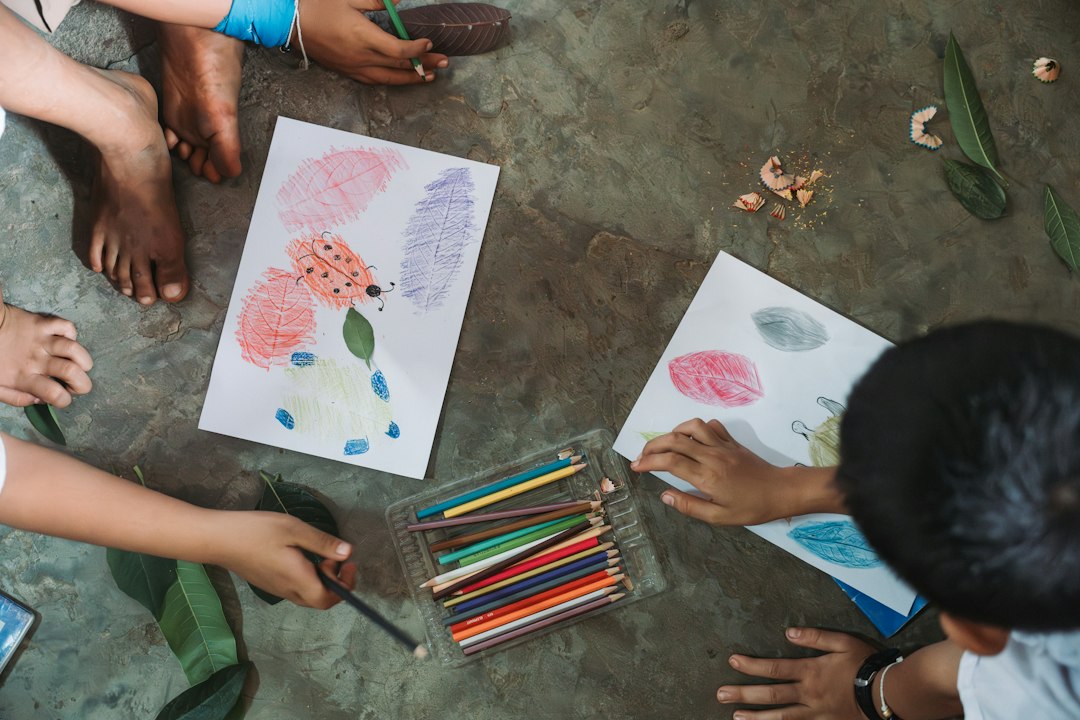
Why This Craft Matters for Growing Minds
Pressing flowers offers children far more than a rainy-day distraction. The activity naturally fosters creativity as they choose which blooms to preserve and how to arrange them later. It encourages curiosity about different plant species, colors, and textures. Perhaps most importantly, it promotes a genuine connection with nature that can shape how children see and value the world around them.
The physical act of collecting and arranging delicate flowers helps children develop fine motor skills, hand-eye coordination, and dexterity. Each petal requires gentle handling. Each arrangement demands careful placement. These small movements build the kind of precise control that will serve them in countless tasks ahead, from writing to drawing to building.
There’s also a rich sensory experience woven throughout the process. Children engage multiple senses as they notice textures, compare colors, and sometimes detect the subtle scents of fresh blooms. This multisensory engagement helps cement memories and learning in ways that screen-based activities simply cannot match. Beyond the practical benefits, pressed flower art can serve as an emotional anchor for children, helping them process feelings, experience moments of calm, and build genuine pride in work they’ve created with their own hands.
In every walk with nature, one receives far more than he seeks.
– John Muir
The Simple Steps to Begin
Starting your flower-pressing journey requires minimal supplies and maximum observation. The best time to collect flowers is when they’re free of dew or rain, typically mid-morning on a dry day. Small, flat flowers like pansies, daisies, and violets tend to press better than bulky blooms. If your child falls in love with a larger flower like a rose or dahlia, you can press individual petals instead of the whole flower.
The traditional pressing method is beautifully straightforward. Place collected flowers between sheets of newspaper or blotter paper, then sandwich them between corrugated cardboard and wooden boards for pressing. If you don’t have boards handy, a heavy book works perfectly well. Just tuck your flowers between several layers of newspaper inside the book to absorb moisture as the flowers dry.
Patience becomes the essential ingredient here. The flowers should be left to dry for several days, with paper changed as needed to prevent browning and unwanted moisture buildup. This waiting period, while challenging for eager young creators, teaches children that beautiful things often require time. Some families check on their flowers every few days, turning it into a ritual of anticipation.
For those seeking faster results, microwave pressing can speed up the process, though it requires careful monitoring and subsequent pressing in a book for a few days to finish properly. The slower traditional method often yields better color preservation and gives children time to imagine what they’ll create once their flowers are ready.
Turning Pressed Flowers Into Treasures
Once your flowers have dried completely, usually after one to two weeks, the creative possibilities open wide. Children can use pressed flowers to decorate handmade cards for grandparents, creating gifts that carry genuine emotional weight. A simple piece of cardstock, some carefully arranged petals, and a covering of clear contact paper or a laminator transforms into a bookmark that preserves both the flower and the memory of finding it.
Framed pressed flower art makes bedroom walls come alive with nature. Children can arrange their pressed blooms on colored paper or fabric, creating compositions that reflect their own sense of beauty and order. Some families create seasonal collections, pressing spring blossoms, summer wildflowers, autumn leaves, and winter evergreens to mark the passage of time throughout the year.
Mobile-making offers another enchanting project. Thread or fishing line, a small embroidery hoop or sticks found outdoors, and laminated pressed flowers combine into gentle sculptures that catch light and spin slowly in the breeze from an open window. Each creation becomes a talking point, a story about where the flower came from and why it mattered enough to preserve.
Last Thoughts
Pressing flowers with children asks us to slow down in a world that constantly speeds up. It invites us to notice what we might otherwise walk past, to value the small and temporary, and to believe that preserving beauty matters. The craft itself is forgiving. Flowers don’t have to be perfect. Arrangements don’t need to follow rules. What matters is the time spent together, hands busy with gentle work, eyes learning to truly see.
These quiet weekend hours spent collecting, pressing, and creating offer children something increasingly rare: an activity with no rushing, no winning, no comparison to others. Just the patient work of making something lovely from the natural world, and the satisfaction of watching something fragile become permanent. The pressed flowers your children create this weekend may end up tucked in a book years from now, rediscovered as a tender reminder of childhood afternoons when time moved slowly enough to notice a single petal’s worth of beauty.
Your Questions Answered
What age is appropriate to start pressing flowers with children?
Children as young as three or four can participate in flower pressing with supervision, primarily helping with collection and arrangement. The delicate handling required makes it ideal for ages five and up, when fine motor skills are more developed. Older children and teens often appreciate the meditative quality of the craft and can work more independently with the pressing and creating stages.
How long do pressed flowers actually last?
Properly pressed and stored flowers can last for years, even decades, though colors may gradually fade over time. Keeping pressed flower creations out of direct sunlight helps preserve their color longer. Laminating or sealing pressed flowers between glass protects them from humidity and physical damage, extending their lifespan considerably.
Can you press flowers that are already cut or from a bouquet?
Absolutely. Flowers from birthday bouquets, Mother’s Day arrangements, or other special occasions press beautifully and carry extra sentimental value. The key is to press them while they’re still relatively fresh, before petals begin to brown or wilt significantly. This makes flower pressing a wonderful way to preserve memories from celebrations.
What happens if flowers turn brown during pressing?
Browning usually indicates too much moisture during the drying process. Changing the newspaper or blotter paper more frequently helps prevent this. Some flowers naturally darken as they dry, which is normal. White and light-colored flowers tend to show browning more noticeably than darker blooms, but even slightly browned flowers can still create beautiful artwork.
Do you need special equipment to press flowers?
Not at all. While you can purchase flower presses, a heavy book and some newspaper work perfectly well. Many families use old phone books, dictionaries, or other weighty volumes they already own. The goal is simply to apply even, gentle pressure while allowing moisture to escape, which basic household items accomplish just fine.