

The evening ritual with a toddler can be one of the sweetest parts of the day – or one of the most challenging. When your little one clutches their beloved stuffed bunny or soft teddy bear like a lifeline, you’re witnessing something more meaningful than just affection for a toy. That well-worn companion plays a genuine role in helping your child navigate the transition from the bright, busy world of daytime to the quiet, solitary experience of sleep. Creating a bedtime routine that honors this bond while building healthy sleep habits can transform those difficult evenings into peaceful, connected moments that benefit everyone.
Why Soft Toys Matter at Bedtime
Your toddler’s attachment to their soft toy isn’t random or silly – it’s developmentally significant. Child development experts refer to these cherished items as transitional objects or loveys, and they serve an important emotional purpose. These companions help children bridge the gap between complete dependence on caregivers and developing their own self-soothing abilities.
The comfort a toddler feels when cuddling their favorite soft toy isn’t just psychological – there are real physiological benefits at work. Physical contact with a beloved stuffed animal can help lower cortisol, the body’s primary stress hormone, while increasing serotonin and other neurotransmitters associated with feelings of calm and wellbeing. This chemical shift creates the ideal internal environment for relaxation and sleep.
When you weave that special soft toy into a consistent bedtime routine, you’re creating a powerful signal. Your child’s brain begins to associate the presence of that familiar friend with winding down and preparing for rest. The routine becomes a predictable sequence that reduces anxiety and resistance, making the entire process smoother for everyone involved.
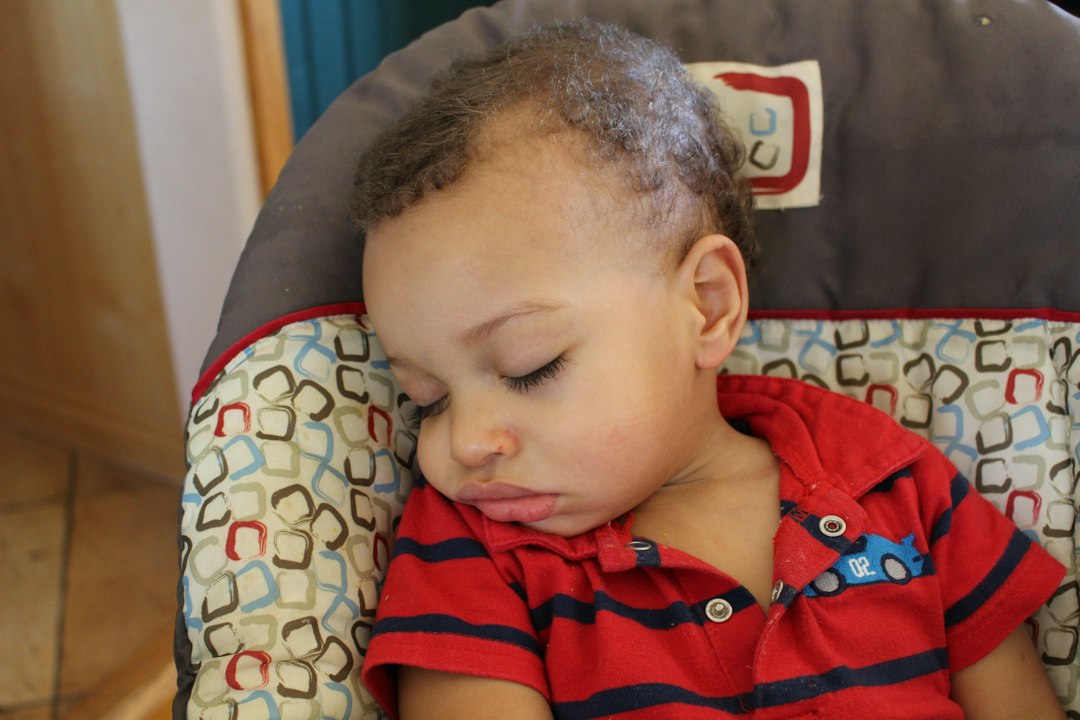
One important safety note: the American Academy of Pediatrics recommends keeping soft objects, including toys, out of a baby’s sleep space until they reach at least 12 months old. Once your child passes that milestone and can roll over and move freely, introducing a soft toy as part of the bedtime routine becomes both safe and beneficial.
Building the Evening Sequence
The most effective bedtime routines follow a predictable pattern that your toddler can anticipate and prepare for emotionally. Start by establishing a clear beginning to the wind-down period – this might be dimming the lights, playing soft music, or simply announcing that it’s time to get ready for bed. Consistency in timing helps regulate your child’s internal clock, so try to begin the routine at roughly the same time each evening.
Bath time often serves as a natural transition point. The warm water relaxes muscles and provides sensory input that many toddlers find calming. After the bath, involve the soft toy in getting dressed for bed. Your toddler might enjoy helping their stuffed friend put on pajamas too, or you might tuck a small blanket around the toy while you’re getting your child dressed. This parallel play reinforces that both child and companion are preparing for sleep together.
The bedroom itself should feel like a calm sanctuary. Keep the lighting low and the environment quiet. This is where you might introduce a simple choice that gives your toddler some control: “Should teddy sit on the pillow or snuggle under the blanket with you?” These small decisions help children feel invested in the process without overwhelming them with too many options.
Reading together creates connection while naturally slowing down mental activity. Let your child hold their soft toy during story time, and occasionally include the toy in the narrative – “I wonder if bunny likes this story too?” This kind of gentle inclusion validates the importance of the comfort object while keeping the focus on winding down.
Children are not things to be molded, but are people to be unfolded.
– Jess Lair
Creating Rituals Around the Comfort Object
The soft toy can become more than just a passive presence – it can play an active role in helping your child settle. Some families create a simple goodnight ritual where the child helps the stuffed animal say goodnight to different things in the room: “Goodnight books, goodnight lamp, goodnight stars outside the window.” This slow, gentle tour of the familiar environment is soothing and creates closure for the day.
You might develop a special phrase or song that involves the comfort object. Perhaps teddy has a favorite lullaby, or there’s a gentle rhyme you say together while stroking the soft fur. These repeated elements become anchors of security. When everything else in a toddler’s world might feel unpredictable or overwhelming, these small, unchanging moments provide reassurance.
Some children benefit from comfort items that specifically reduce sleep anxiety through sensory features. A toy that’s been warmed slightly (never in a microwave – just held against you for a few minutes) can feel especially comforting. Some soft toys incorporate gentle weight or textured fabric that provides additional sensory input.
If your child wakes during the night, the presence of that familiar soft toy can help them self-soothe and return to sleep without needing you to intervene. The toy becomes a consistent element that remains when you leave the room, bridging the emotional space between your presence and your absence.
Handling Common Challenges
What happens when the beloved soft toy goes missing, or worse, needs a wash? Many experienced parents keep a backup – ideally introduced early so both toys carry similar emotional weight. If you’re starting with a new comfort object, consider buying two identical ones and rotating them so they age at the same rate and both pick up your child’s scent.
Washing the comfort toy requires strategy. Some families involve the toddler in the process, explaining that teddy is taking a bath just like they do. Washing during daytime rather than right before bed gives the toy time to dry and return to its familiar scent. If your child is particularly attached, you might need to wash the toy while they’re at daycare or during a nap.
Resistance to bedtime can spike even with the best routines. When this happens, avoid turning the comfort toy into a bargaining chip or punishment tool. The toy should remain a positive, unconditional source of comfort, not something that’s withheld when behavior doesn’t meet expectations. Instead, acknowledge your child’s feelings while maintaining the routine: “I know you want to keep playing. Teddy is getting sleepy, and soon we’ll all rest together.”
As children grow, their relationship with comfort objects naturally evolves. Some toddlers remain intensely attached well into early childhood, while others gradually become less dependent. Both patterns are completely normal. Trust your child to navigate this transition at their own pace, and resist the urge to force separation before they’re ready.
Last Thoughts
The bedtime routine you create today is about more than just getting your toddler to sleep tonight – it’s building a foundation of security, teaching self-regulation, and creating positive associations with rest that can last a lifetime. When you honor your child’s attachment to their soft toy and weave it thoughtfully into your evening ritual, you’re respecting their emotional needs while guiding them toward independence.
These early years pass remarkably quickly. The nights when your toddler insists on tucking in three stuffed animals and kissing each one goodnight might feel long in the moment, but they represent a fleeting stage of childhood. Years from now, you might find that worn teddy bear packed away in a memory box and feel a rush of nostalgia for these tender evenings.
The goal isn’t perfection – some nights will go smoothly while others test your patience. What matters is the overall pattern of consistency, warmth, and security you’re creating. When your child learns that bedtime means connection, comfort, and a beloved soft friend waiting in the quiet darkness, sleep becomes less of a battle and more of a natural, peaceful transition. That’s a gift that benefits not just tonight’s rest, but your child’s relationship with sleep for years to come.
Your Questions Answered
At what age should I introduce a comfort toy for bedtime?
You can introduce a soft toy once your child reaches 12 months old, when it becomes safe to have soft objects in the sleep space. Some families introduce the toy during awake time earlier, but it should only stay in the crib or bed after the first birthday. If your toddler hasn’t formed an attachment yet, don’t force it – some children naturally gravitate toward comfort objects while others don’t need them.
What if my toddler wants multiple stuffed animals at bedtime?
It’s common for toddlers to want several soft companions, and there’s nothing wrong with accommodating this if space allows. However, if the collection is growing out of control, you might set a reasonable limit – perhaps three or four favorites. Let your child choose which ones make the cut each night, giving them some control while maintaining manageable boundaries.
How do I handle bedtime when we’re traveling without the comfort toy?
Prevention works best – make the comfort toy one of the first items packed for any trip. If you do forget it, stay calm and creative. A t-shirt that smells like you can serve as a temporary substitute, or you might use video chat to show your child the toy safely at home. This isn’t ideal, but acknowledging the difficulty while offering alternatives helps your child cope with the disappointment.
Should I worry if my toddler is very attached to their soft toy?
Strong attachment to a comfort object is developmentally normal and actually indicates healthy emotional development. The toy serves as a bridge to independence, not a sign of excessive neediness. Most children naturally become less reliant on comfort objects as they grow older and develop additional coping strategies. If the attachment seems to interfere with daily activities or persists with concerning intensity beyond early childhood, discussing it with your pediatrician can provide reassurance.
How long should the bedtime routine take?
Most effective toddler bedtime routines last between 20 and 45 minutes from start to finish. This gives enough time for the sequence of calming activities without dragging on so long that your child gets a second wind. The routine should feel unhurried but purposeful, moving steadily toward the final goodnight. If your routine regularly exceeds an hour, look for places to streamline while keeping the elements your child finds most comforting.